 Today is National Psychotherapy Day, a day to reduce stigma and draw awareness to the effectiveness of therapy.
"People who support psychotherapy – therapists, clients, academics, policymakers, or any other interested party – are encouraged to talk about their own experiences with therapy, contribute to low-fee and community mental health clinics, share therapy effectiveness research, and wear turquoise to show support and start conversations." If you haven't seen the Moments of Meaning series, they are definitely worth your while. Dr. Ryan Howes, founder of National Psychotherapy Day, and his team released this video series featuring therapists speaking from the heart about the transformations that take place between therapist and patient in psychotherapy. The whole series is well done and provides an insightful and moving glimpse into real therapy sessions (all stories are shared with the permission of individual patients, and altering identifying information). You can read more about National Psychotherapy Day here, and find the Moments of Meaning video series here.  In anticipation of the 4th annual National Psychotherapy Day, September 25, I invite you to check out this article on why psychotherapy is needed, effective, and lasting. The authors provide links to research on the efficacy of psychotherapy: supporting the science behind the transformative therapeutic relationship. If you or someone you care about is considering psychotherapy, this is a great place to start.
Brené Brown is a wonderfully authentic and moving researcher/storyteller. Her new book, Rising Strong, explores how we find the inner courage and compassion to rise up again when we have fallen. We all fall. The secret is in rising up again. And in the realization that in doing so we are not alone.
Dr. Brené Brown is a professor at the University of Houston Graduate College of Social Work, and a researcher who has spent years studying, writing, and speaking about vulnerability, courage, worthiness, and shame. The video below of her 2010 TEDx Houston talk, The Power of Vulnerability, is one of the top five most viewed TED talks in the world, with over 19 million viewers. If you haven't seen it, or haven't seen it lately, it may be the most inspiring and best spent 20 minutes of your day.
Brené's latest book, Rising Strong, is scheduled for release this week. In describing Rising Strong, she writes, “If we are brave enough, often enough, we will fall. This is a book about what it takes to get back up.”
Many who struggle with social anxiety can tell you that anxiety creates a vicious cycle. The mere thought of interacting with others and imagining how others might negatively judge or evaluate them creates often overwhelming anxiety. If they enter a social interaction in this anxious state they may find themselves more likely to have difficulty joining conversation or interacting comfortably with others. This may bring about uncomfortable social interactions and real or perceived negative evaluations by others, which serves to confirm their fears and may lead them to withdraw from this and future social interactions.
While a reported 7% of the population struggles with social anxiety, the anxiety and fear of judgement often prevents people from reaching out for help. This is particularly a shame as social anxiety responds well to a variety of therapeutic interventions. But new research by Jennifer Trew and Lynn Alden published in the journal Motivation and Emotion suggests that acts of kindness may effectively break the cycle of social anxiety. In this study, socially anxious participants focused on their own active positive role in a social interaction (performing an act of kindness) and on the other as someone in need, rather than on how they imagined others might respond to or judge them. This led to positive reinforcement in the interaction during which others responded positively to the participants with gratitude, which in turn challenged the participants' negative expectations for this and future social interactions. The participants who engaged in positive social interactions related to their acts of kindness were significantly less likely to avoid social interactions in the weeks that followed. It's a win-win! Read more about Trew and Alden's study here. Learn more about social anxiety and social phobia here. The Ghost in My Brain: A Remarkable Story of Traumatic Brain Injury, Neuroplasticity, and Recovery7/27/2015
 Traumatic Brain Injury (TBI) and concussions have increasingly made headlines, particularly in the context of sports-related injury. An increasing number of hospitals and outpatient clinics have opened units dedicated to improving diagnosis and rehabilitation for TBI patients. As we work to advance research and treatment, it is important to recognize the real people behind the statistics and brain imaging, to understand how these devastating losses impact their everyday lives.
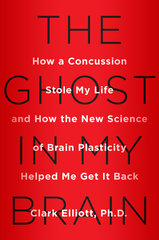
Artificial Intelligence professor Dr. Clark Elliott suffered what was initially thought to be a mild-traumatic brain injury when his car was rear-ended in 1999, an accident he walked away from. However, in the weeks, months, and years that followed, Dr. Elliott suffered a constellation of cognitive and emotional symptoms resulting from that TBI that threatened his family life and once promising career. Dr. Elliott's new book, The Ghost in My Brain: How a Concussion Stole My Life and How the New Science of Brain Plasticity Helped Me Get It Back, describes in unblinking detail the often confusing changes that took place in his ability to think and function following the accident. Importantly, the story goes on to examine emerging research in neuroplasticity, the amazing ways in which the brain heals itself, and the innovative behavioral optometry treatment that Dr. Elliott credits for bringing him back to himself. It is a remarkable story, and well worth the read for those who have suffered TBIs, as well as for those who love and treat them. Click here to learn more about Dr. Elliott's book and experiences. Click here to listen to an insightful interview with Dr. Elliott by KERA's Kris Boyd. |
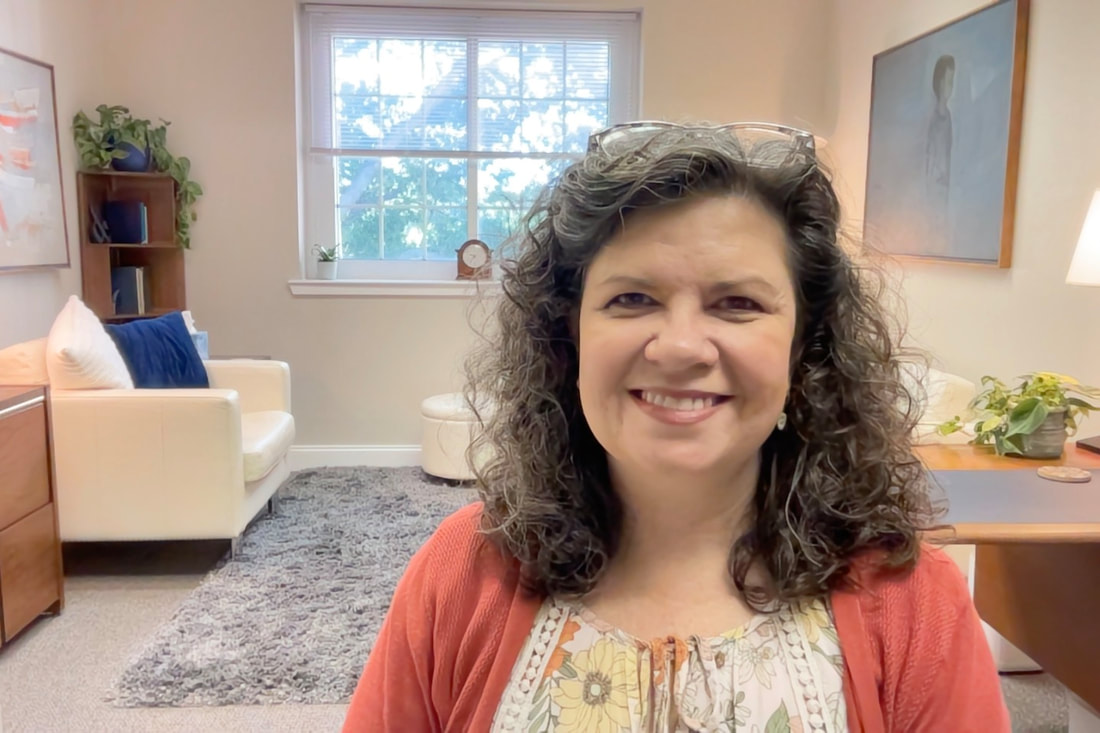
About the AuthorClinical psychologist Dr. Kristy Novinski contributes insights, book and film reviews, discussions of pop culture, and exploration of news and research in the field of psychology. What I'm Reading
Categories
All
|

 RSS Feed
Las Colinas Psychological Services, PLLC |
© 2023 Las Colinas Psychological Services, PLLC. All rights reserved.
|